Back to overview
25/03/2026
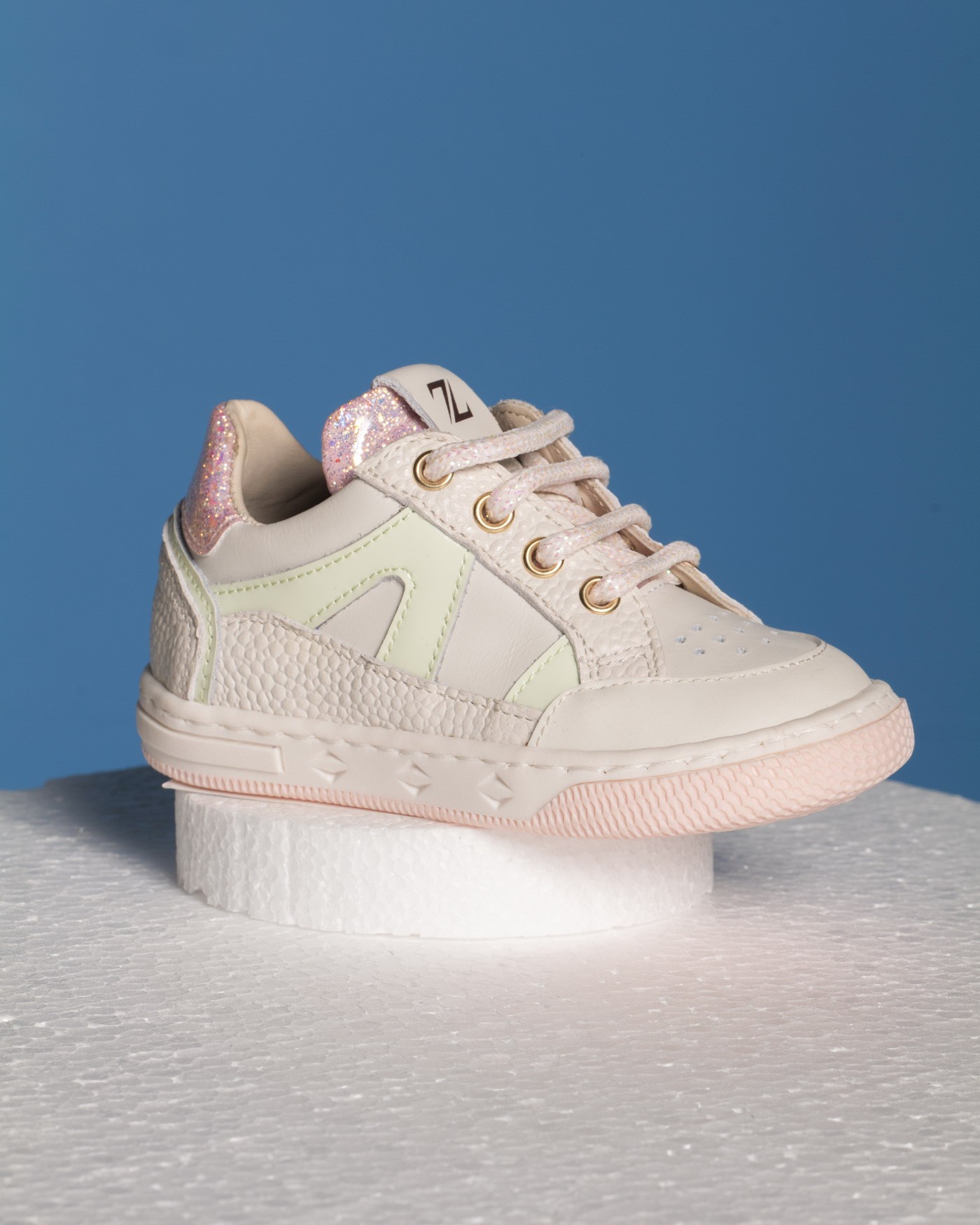
The moment your little one takes their first steps is an exciting milestone. But when does your child actually need their first walking shoes, and how do you choose a pair that fits perfectly? In this blog, we explain what to look for and how to select the right shoes for your child’s foot type.
First walking or baby shoes are especially important when your child starts taking steps. Indoors, barefoot, very soft shoes, or slippers are still the best choice. However, outside, the feet need protection from cold, moisture, and hard or sharp surfaces.
A good first walking shoe protects your child’s feet from external elements such as cold, wet conditions, and hard surfaces. A sturdy sole ensures small feet are protected and receive enough cushioning to absorb shocks while walking, reducing strain on joints and knees.
Even though the sole must be sturdy, the shoe remains flexible in the right place, specifically at the toes. This is essential to preserve the natural foot roll and help your child learn to walk healthily. Shoes that are too stiff can interfere with this motion and make walking more difficult.
Additionally, a proper first walking shoe has a firm heel counter that securely wraps the ankle. This provides extra stability and support, which is especially important because children’s feet are mostly soft cartilage and need proper support. This allows your child to walk safely and confidently, even on hard outdoor surfaces.
In summary, an ideal first walking shoe has a protective and cushioned sole, is flexible at the toes to allow natural rolling, and features a sturdy heel counter for extra stability. Choose shoes made of leather, as this breathable material helps reduce sweating. This ensures your child’s feet get the right support for healthy development.
Your child only needs their first walking shoes when they start walking independently and exploring outdoors. As long as your child only crawls and occasionally stands indoors, very flexible baby shoes, slippers, or simply barefoot walking remain ideal for healthy foot development.
If you want to go outside with your baby before they walk independently, there are baby shoes without a heel counter that are completely flexible. These shoes are soft and pliable but warmer than socks, providing extra protection. They often have a non-slip sole with a crawling tip, giving grip and stability while crawling without restricting natural foot movement.
When your child takes several steps in a row independently and enjoys exploring, it’s the right time to introduce real first walking shoes, especially for outdoor use. Indoors, slippers or barefoot walking are still the best choice.
Correct fit is crucial for comfort and healthy foot development. At Junior Steps, we offer different models that fit specific foot types. Children with wider feet should choose slightly wider models to avoid pinching the forefoot. Children with narrow feet benefit more from narrower shoes that fit snugly.
Note: Parents often assume their child has wide feet because shoes are hard to put on. Usually, loosening the laces or Velcro fully is enough. Always open the closures completely before putting the shoe on and then adjust for a proper fit. If the shoe still pinches at the forefoot or instep, even when fully loosened, it is too narrow and another model is needed.
Prefer shoes with adjustable closures, such as laces or Velcro, to fine-tune the fit. The same applies to sandals: a model adjustable at the toes ensures comfort during first steps.
Children grow very quickly, especially in the early years. On average, children aged 0–2.5 years grow about one shoe size every 3–4 months. After 2.5 years, growth slows to one size every 5–6 months. That’s why growth allowance in first walking shoes is essential. At Junior Steps, our shoes provide this allowance while still maintaining a perfect fit, so the shoe supports the foot securely and remains comfortable.
To check if it’s time for a new pair, remove the insole and place the heel against the back of the shoe. Check how much space is left at the toes. If there’s almost no room, it’s time to get a new size.
First walking shoes are an important part of your child’s development. Always choose comfortable, sturdy shoes with the right width and proper toe roll. Pay attention to material and size to ensure your child takes their first steps confidently and comfortably.
Curious about our first walking shoes collection? Browse our models below and find the perfect pair for your little one.
 Our customers give us an average rating of 4,7/5 stars